
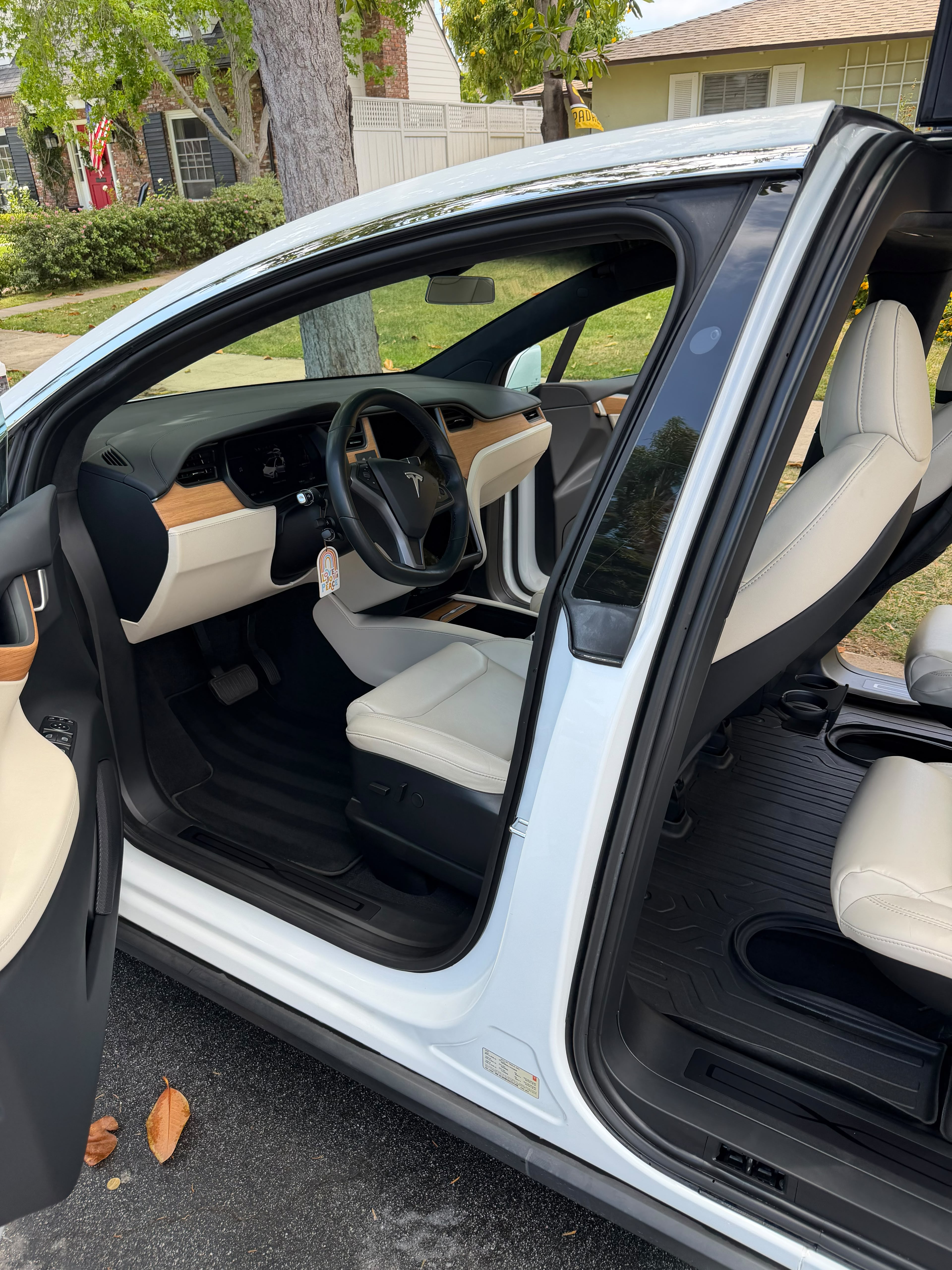
Interior detailing matters because the cabin is where you spend all your time with the car, and it is also where dust, body oils, spills, and sun cause damage quietly until it becomes permanent.
Interior detailing is the deep cleaning and protection of a car's cabin, and it matters more than most people think. The interior is where you spend every minute you are with the car. It is also where damage happens quietly: a little grit in the carpet, a film of oil on the steering wheel, a coffee spill that seemed to dry up. None of it looks serious on the day it happens. Over a few years it adds up to a cabin that looks and smells tired.
Royal Rinse Mobile Detailing is a mobile auto detailing company based in Menifee, California, serving Menifee, Temecula, Murrieta, Riverside, and San Diego. Interior work is a large part of what we do, and the same patterns show up in almost every car.
What builds up inside a car over time?
Dust, grit, body oils, spilled liquids, and sun damage build up inside every car that gets used. Each one works on the interior in a different way:
- Dust and grit. Fine sand and dirt come in on shoes and clothing. Grit trapped in carpet and seat fabric acts like sandpaper, wearing the fibers down every time someone gets in or out.
- Body oils and lotions. Hands leave oils on the steering wheel, shift knob, door pulls, and armrests. The buildup darkens those surfaces over time and gives leather a shiny, worn look.
- Spills. Coffee, soda, and juice soak through seat fabric into the foam underneath. A surface wipe dries the top layer and leaves the rest to stain and smell.
- Sun and heat. UV light and high cabin temperatures dry out dashboards, door panels, and leather until they fade, harden, and crack.
Why is vacuuming alone not enough?
Vacuuming alone is not enough because a vacuum only removes loose debris from the surface. A household or gas station vacuum lifts crumbs and visible dirt. It does not reach the grit worked deep into carpet fibers, the odor sources trapped in upholstery foam, or the dust packed into air vents and seams.
Those leftovers explain why a car can look clean after a quick vacuum and still smell stale a week later. The source of the smell is still in the fabric. The dust in the vents blows back into the cabin the next time the air conditioning runs.
What does proper interior detailing do differently?
Proper interior detailing cleans each material with the right method and then protects it, instead of treating the whole cabin the same way. A thorough interior detail typically includes:
- Steam cleaning, which uses high-temperature steam to loosen grime and sanitize surfaces without soaking them.
- Heated shampoo extraction, which flushes carpets and fabric seats and pulls the dirty water back out, taking embedded soil and odor sources with it.
- Material-specific cleaners for leather, vinyl, plastics, screens, and fabric, since a cleaner that is safe on one surface can stain or dry out another.
- Leather and trim conditioning, which keeps leather supple and stops plastic and vinyl from drying out and cracking.
- UV protection on exposed surfaces like the dashboard and door tops, which take the most direct sun.
Add-ons such as ozone odor treatment and pet hair removal handle problems a standard interior detail does not fully solve.
Which interior damage is preventable?
Most expensive interior damage is preventable with regular cleaning and conditioning. Cracked dashboards, split leather seams, worn bolsters, and permanent stains are among the most costly interior repairs, and many of them start as neglect rather than defects. Conditioning leather before it dries out is far cheaper than replacing a seat cover. Extracting a spill early is far easier than chasing a stain that has set into the foam.
Interior condition matters at sale, too. Buyers notice the cabin the moment they sit inside, and our guide to how regular detailing protects resale value explains why that first impression carries so much weight.
Does a clean interior make a car more comfortable?
A clean interior makes a car more pleasant to spend time in, because the cabin looks, smells, and feels fresh. Seats feel better without a layer of grit. The inside of the windshield is clearer without the haze that slowly builds up on it. Fewer odors linger, and less dust circulates through the vents. In a car you sit in every day, the difference is easy to notice.
Why are Southern California car interiors at extra risk?
Southern California car interiors are at extra risk because parked cars here spend long hours in strong sun and heat. In Menifee, Temecula, Murrieta, and Riverside, summer cabin temperatures climb high enough to bake dashboards and dry out leather quickly. Dust from inland roads finds its way into every vent and seam. Closer to the coast in San Diego, sun through the glass still fades and dries surfaces over time.
Shade and a windshield sunshade help. Regular conditioning and UV protection do the rest.
Royal Rinse Mobile Detailing is licensed, insured, and bonded, and we come to the customer at home or at the office with a fully self-contained rig. Our detailing packages include interior-only and full-detail options, and the Gold package adds deeper interior care with leather conditioning. For a quote on your interior, call now for an instant quote, text us at (951) 338-9117, or book online.
Frequently asked questions
How often should I get my car's interior detailed?
Most cars benefit from a full interior detail a few times a year, with regular vacuuming and wipe-downs in between. Cars that carry kids, pets, or long daily commutes usually need deep cleaning more often.
Can interior detailing remove odors?
Interior detailing removes most odors by cleaning out the source, such as spills, food, or pet hair trapped in fabric. Stubborn smoke and pet odors may need an ozone odor treatment, which is available as an add-on.
Is interior detailing safe for leather seats?
Yes, interior detailing is safe for leather when the detailer uses leather-specific cleaners and conditioners. The cleaner lifts oils and dirt, and the conditioner keeps the leather from drying out and cracking.
How long does an interior detail take?
An interior detail usually takes a few hours, depending on the size of the vehicle and how much cleaning it needs. Heavily soiled interiors, pet hair, and extraction work add time.